Why Is My Live Dealer Stream Delayed but Bets Still Settle?
You place a bet, the live dealer’s video appears to freeze, and then your balance changes anyway. Or the stream seems a few seconds behind while the game accepts your next wager. That can feel as if the picture and the money are following different rules.
Often, they are following different technical paths. The video stream is one service; bet acceptance, game results, and account balances are handled by other systems. A delay in what you see does not automatically mean a bet was accepted late, rejected, or settled incorrectly. The important details are the bet’s status, the game’s recorded result, and the transaction history—not the video alone.
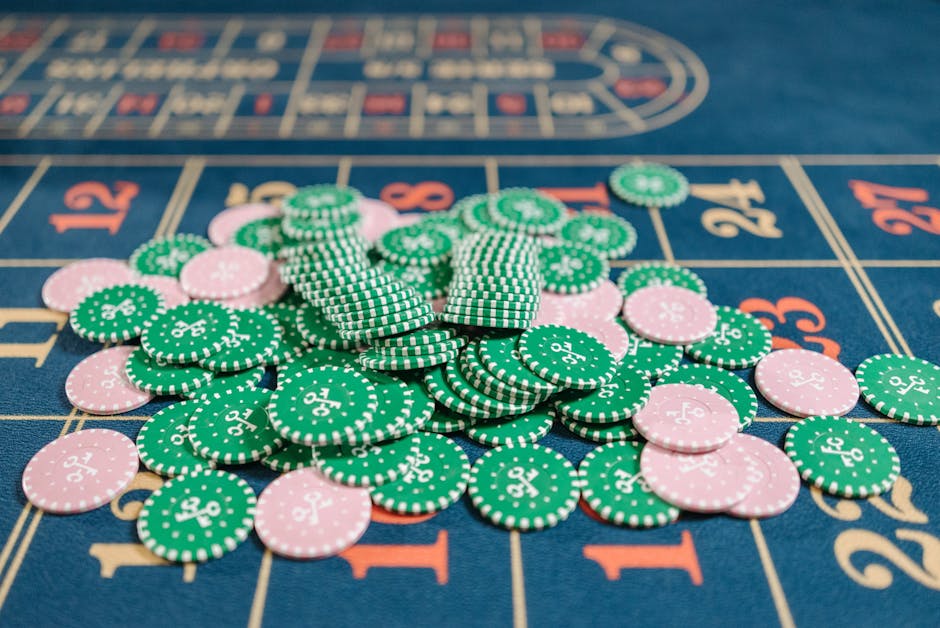
Here is what the player sees first, and then what may be happening behind the screen.
What You See: A Frozen or Delayed Table
On your screen, the dealer may continue moving after the betting window appears to close. You might see a card dealt only after the result has already appeared in the game interface. Sometimes the video pauses while the buttons and balance https://coinsniper.net/blog/behind-the-casino-lobby-the-technology-that-makes-online-play-run-smoothly continue to update.
This is stream latency: a delay between the live table action and the video reaching your device. It can come from several points along the route, including the casino platform, the game provider, your internet connection, or the video delivery network. Wi-Fi congestion, a weak mobile signal, background downloads, and device performance can all affect playback.
The game interface may also show information at a different pace from the video. Bet buttons, countdowns, and result messages are interactive data; the dealer feed is a continuous video stream. They may be delivered, buffered, or refreshed separately. So the video can look behind even when the game system has already moved on.
What the Server Is Doing: Separating Video from Game State
A live casino game typically relies on several connected components. The casino lobby helps you find a title. A provider integration opens the selected game and creates a session. The game service manages the round, while account and wallet services record wagers, wins, and balance changes. Video delivery provides the dealer feed.
These parts communicate, but they are not one single screen or process. A connection drop mid-spin—or, in a live game, mid-round—can interrupt the video without undoing a bet that the game service has already accepted. Likewise, a visible click or button animation does not by itself prove that a wager reached the game service.
The key concept is bet acceptance timing. A wager is normally accepted only when the game system records it within the permitted betting period and confirms the action. The relevant moment is not necessarily when you tapped the button or when the video frame appeared on your device. If the betting window has closed, the system may reject a late request, even if the delayed video makes the table look as though betting is still open.
Why a Bet Can Settle While the Stream Is Behind
Once a bet has been accepted, the game can continue processing the round even if your video feed stalls. The system may receive the dealer’s actions, determine the result, and send that result to the casino platform while your device is still catching up with the footage.
For example, imagine that you place a wager just before betting closes. The game service records it, the dealer completes the round, and the result is transmitted to the account system. Your video player buffers during the final seconds. When the feed resumes, your balance may already reflect the outcome. That sequence can be consistent with a correctly settled bet.

There is another possibility: you tap after the server’s betting cutoff, but before the delayed video makes the cutoff obvious. In that case, the interface may show a request in progress, but the wager should not be treated as accepted unless the game or platform confirms it. A clear status such as pending, accepted, or rejected is more useful than a vague message like “Please wait.”
Providers and casinos may have different interface designs, game rules, and release schedules. A lobby can aggregate titles from independent studios, but those titles do not necessarily share identical timing or mechanics. Always check the rules and status indicators for the specific game you are playing.
The Lobby Is a Front Door to Multiple Systems
A casino lobby often looks like one catalogue, but it is a front door to titles operated by different providers. It may group live tables, slots, and other games together even though each title has its own integration, launch process, and technical requirements.
When you select a live table, the platform generally has to launch the correct title and establish a session tied to the right player. That session allows the game to associate your activity with your account. If a launch is interrupted, the platform may need to confirm whether the session opened, whether a wager was recorded, and whether the game is still active before it can safely show the next screen.
This is one reason a player can encounter confusing transitions: the lobby loads, the provider’s game opens, and the table video begins, but one part of the session is still reconnecting. A reliable platform should make the current state clear rather than leaving you to guess whether the game is loading, reconnecting, or ready for bets.
Balances and Transaction History: What to Check
Your displayed balance may update before or after the video catches up. In some cases, a balance is refreshed only when the game sends a new event or when the account page reloads. The transaction history is usually a better place to investigate a specific wager, because it can show whether a debit, credit, or adjustment was recorded.
Look for concrete labels and details rather than relying on the balance alone:
- Pending: The platform has not yet shown a final status. This does not necessarily mean the wager will be approved or rejected.
- Accepted or placed: The game or platform has recorded the wager for the round.
- Settled or completed: The round’s result has been applied to the account.
- Rejected or cancelled: The wager was not completed, or a reversal was recorded.
Exact wording varies between operators, so check the casino’s help information. A transaction record may include a time, game name, amount, round or hand reference, and final status. Those details help support staff compare your account record with the provider’s game record.
What you notice What it may indicate What to check Video pauses, but the balance changes The game result or wallet update arrived while video playback was delayed Round status and transaction history A bet button responds, but no wager appears The request may still be processing, or it may have missed the cutoff Whether the bet is marked pending, accepted, or rejected The balance looks wrong after reconnecting The screen may not have refreshed, or the round may still be settling Reload the account view and review individual transactions The game opens to a different state than expected The provider session may have reconnected to an active round Game history, round details, and the provider’s reconnection messageDisconnect Recovery and Consistent State
When a connection drops, a well-designed game should try to recover the session without creating a second bet or losing the first one. The goal is consistent state: the game, casino platform, and wallet should agree about whether a wager was accepted, what result followed, and what amount was credited or debited.
In practice, reconnection can take time. The client may need to reopen the provider session, request the current round status, and refresh account data. During that window, the video can remain unavailable even as the game service continues to process the round. Avoid repeatedly tapping the bet button or launching the same table in multiple windows; duplicate actions can make it harder to tell which request was associated with the round.
After reconnecting, look for a status or history entry that identifies the round. If the game shows a result but the account balance seems unchanged, refresh the account page once and check the transaction history. If there is still a mismatch, contact support with the game name, approximate time, wager amount, and any round reference shown in the interface. Do not share your password, full payment-card details, or account security codes.
How to Tell a Delay from a Settlement Problem
A delayed stream on its own is not proof that a bet was handled incorrectly. But a settled result should be traceable to a specific game round and account transaction. The following checks help separate a playback issue from a possible account issue:
- Stop placing new bets while the state is unclear. Wait for the game to reconnect or show a clear status.
- Check the round result. Confirm which game round or hand the interface says has completed.
- Review the transaction history. Look for the wager and its settlement, including any reversal or adjustment.
- Compare timestamps carefully. Your device clock, platform history, and provider records may use different time zones or formats.
- Contact support if records do not match. Give specific details and ask whether the wager was accepted before the betting cutoff and how the result was settled.
Do not use the dealer video’s visible moment as the only clock for a dispute. A buffered stream can make an event appear later than the game system recorded it. The platform’s records and the provider’s round data are more relevant to bet acceptance timing.
What a Reliable Platform Should Explain
Good casino UX makes the next step obvious. During a disruption, the screen should distinguish between a video problem and a game-session problem, show whether betting is available, and label a wager as pending, accepted, rejected, or completed when that information is known. It should also explain what happens next—for example, whether the game will reconnect automatically or whether the player should return to the lobby.
For regulated operations, reliability also depends on testing and monitoring, not just reassuring language. Providers and operators should test game launches, session recovery, wallet updates, and transaction history across different titles and devices. Because independent studios may implement different mechanics and release updates on different schedules, integration checks need to cover each game rather than assuming every table behaves identically.
When investigating a disputed result, operators should be able to trace the session and round, review relevant transaction records, and explain the outcome in terms the player can understand. That is more useful than a blanket claim that everything is fair or working normally.
The Short Answer
Your live dealer stream can be delayed while bets still settle because video playback and game processing are separate parts of the service. The game may have accepted a wager before the cutoff, completed the round, and updated your account while the video was buffering. Or a late request may have been rejected even though the delayed picture made betting appear open.
Check the game’s status and transaction history for the specific round. Look for clear labels such as pending, accepted, and settled. If the round record and account history do not agree, stop betting and ask support to investigate using the game name, time, amount, and round reference. The video tells you what reached your screen; the game and wallet records tell you what the server accepted and settled.