What Is the Difference Between Studio Image Quality and Delivery Quality?
In today’s live production and streaming landscape, distinguishing between studio image quality and delivery quality isn’t just technical nitpicking—it’s essential for anyone managing live video pipelines. Whether you’re orchestrating a multi-camera studio shoot or delivering live content to millions via mobile websites and online casino apps, understanding how image quality evolves from production to viewer playback helps set realistic expectations and informs smart infrastructure choices.
The Basics: Production vs Distribution
Before diving into specifics, let's define the two key phases:
- Production (Studio) Image Quality: The raw visual fidelity captured and processed within the controlled environment of a studio, usually involving professional cameras, precise lighting, and minimal compression.
- Delivery Quality: The final video quality experienced by end users after encoding, compression, and network delivery—often adapted to fit bandwidth limitations, device capabilities, and latency requirements.
These two phases serve inherently different purposes and operate under different constraints. As the Society of Motion Picture and Television Engineers (SMPTE) clarifies, the workflow from production to distribution involves significant transformations in image data to balance visual fidelity against real-world limitations.
Multi-Camera Studio Production: Lighting and Visual Consistency
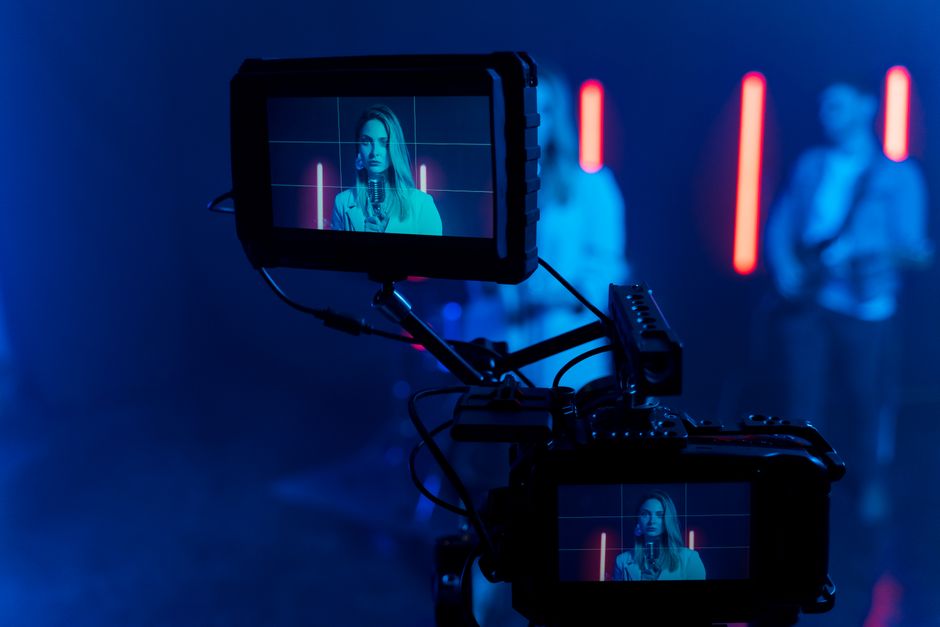
In multi-camera studio setups, like those described in Hardware Times’ thorough investigations into broadcast gear, image quality begins with high-end cameras operating under meticulously controlled lighting conditions.
Lighting Matters
Studio lighting isn’t just about brightness—it’s about visual consistency across multiple angles and cameras. interactive betting UI latency Uniform color temperatures and controlled contrast help ensure seamless cuts and smooth transitions. This preserves a coherent image quality that boosts storytelling and audience immersion.
Camera Choices and Signal Chain Quality
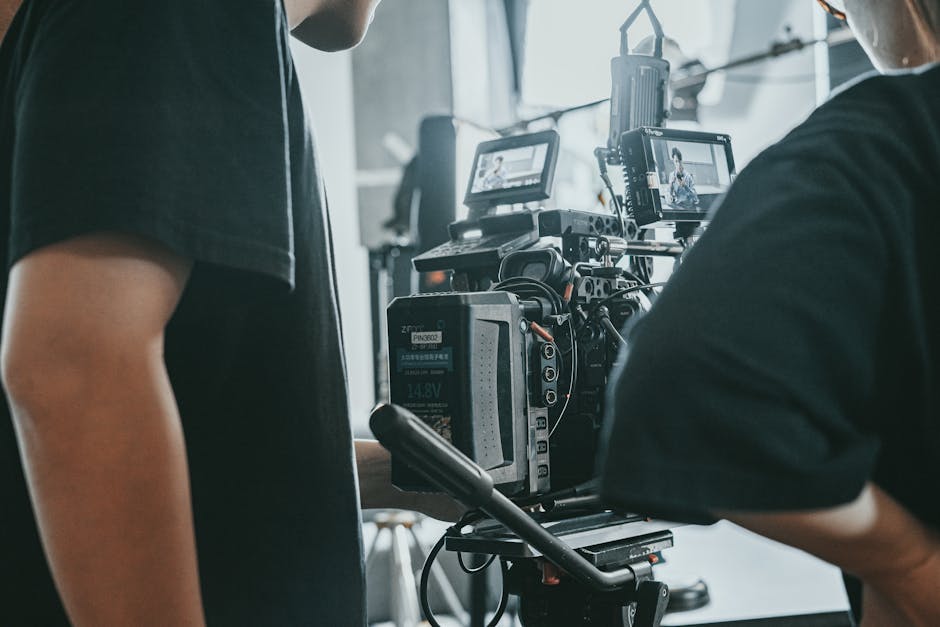
Professional studio cameras capture higher bit-depth and cleaner signals with minimum noise. These cameras often output uncompressed or lightly compressed video via SDI cables with synchronization signals to keep multi-camera feeds perfectly aligned—critical for avoiding sync issues later.
Also, hardware encoders in studios might handle minimal compression initially to optimize storage and internal workflows without degrading visual fidelity noticeably.
Mobile-First Streaming Constraints
However, once content leaves the studio and heads for viewer devices—particularly mobile devices handing online casino apps or mobile websites, constraints multiply:
- Variable Network Conditions: Mobile networks fluctuate in speed, leading to adaptive streaming and aggressive compression.
- Device Capabilities: Phones and tablets vary drastically in display size, processing power, and supported codecs.
- Battery and Thermal Limits: Excessive device and decoding resource loads reduce user experience and app retention.
These factors require significant compromises in delivery quality compared to studio standards. The encoding pipeline must balance visual fidelity with byte size, error resilience, and latency.
Encoding and Compression: The Gatekeepers of Delivery Quality
The critical step that differentiates studio image quality from delivery quality is encoding and compression. Companies like MRQ, experts in live streaming solutions, often emphasize understanding the tradeoffs when configuring compression parameters.
Why Compression is Non-Negotiable
Uncompressed HD streams demand ~1.5 Gbps—impractical for most internet connections and impossible for mobile networks. Compression codecs (H.264, H.265, AV1, etc.) work hard to reduce bitrate while preserving as much perceptual quality as possible.
Network Delivery Limits Dictate Bitrate Budgets
The network delivery limits for last-mile distribution heavily influence compression aggressiveness. High motion scenes and complex textures can suffer from blockiness and artifacts when pushed through tight bitrate constraints, particularly over cellular networks.
Adaptive Bitrate Streaming (ABR) frameworks dynamically adjust Great post to read delivered video quality based on real-time bandwidth estimates—sacrificing resolution or frame rate to maintain smooth playback.
Latency vs Quality Tradeoff
For interactive content like live casino games on mobile apps, latency is critical. Ultra-low latency codecs and streaming protocols often come at the cost of compression efficiency, further complicating delivery quality.
Production vs Distribution: A Reality Check
Aspect Studio Image Quality Delivery Quality Camera & Lighting High-end cameras, controlled lighting, consistent color & brightness Irrelevant to delivery, controlled by encoder Signal & Compression Minimal compression, raw or lightly processed feed Heavy compression, adaptive bitrates, codec-dependent Bandwidth Sensitivity Very high bitrate, large data streams Constrained by network limits, mobile constraints Latency Buffering typically not a concern, sync critical Low latency essential for interactivity, buffering minimized Device Display Monitors with color calibration, consistent brightness Varied device screens, smaller sizes, uncertain ambient lightingWhat Happens When This Box Overheats at Hour 9?
One practical question often ignored in hand-wavy quality discussions is: what happens when your encoder or streaming box overheats after 8+ hours of continuous use? The reality is compressors can throttle performance or introduce errors that impact delivery quality downstream—affecting viewer quality far beyond the pristine studio feed.
Vendors reviewed by Hardware Times often get this wrong, marketing gorgeous specs but lacking robust cooling or failover systems. Downstream, live streams stutter, freeze, or drop frames—kills the UX on mobile websites and casino apps faster than any bitrate adjustment.
Summary: Balancing Acts in Modern Live Streaming
The difference between studio image quality and delivery quality boils down to the tension between controlled, high-fidelity capture and constrained, adaptive delivery. Multi-camera studio productions start with perfect lighting, synchronization, and minimal compression, creating a premium video source. However, once the content hits the network delivery limits towards millions of devices—especially on mobile—the image is necessarily compressed, tailored, and sometimes degraded.
Understanding these differences helps technical producers and streaming engineers make informed decisions that optimize the balance between visual excellence and practical delivery constraints. Consulting standards from SMPTE, vendor insights from MRQ, and hardware evaluations from Hardware Times provides a solid foundation to navigate this complex landscape.
Next time you tune into a live stream on your favorite mobile website or online casino app, remember the journey that video took—from studio precision to bandwidth-challenged adaptability—and how each stage shapes what you see on screen.